
Ian Bennett, MD, PhD
Adjunct Professor, Global Health; Professor, Family Medicine; Professor, Psychiatry and Behavioral Sciences
Dr. Bennett has an interest in perinatal depression health services. He has been funded by the NIMH to study this area including a current R01 addressing implementation of the team based collaborative care model in safety net FQHC’s across the US. He has worked internationally in Central and South America with the most recent work focused in Peru. He and his collaborators have received two grants from Grand Challenges Canada to study the relationship of perinatal depression with growth and development and developing a model of team based care for implementation in the public health posts of Callao, Peru. Dr. Bennett also studies the role of mHealth in the delivery of services for perinatal depression both in the US and Peru.
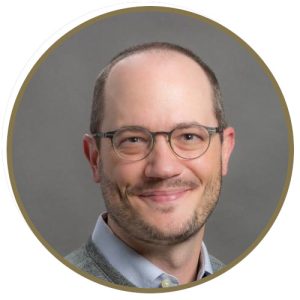
Jacob A. Bentley, PhD, ABPP (RP)
Associate Professor in the Department of Rehabilitation Medicine, University of Washington School of Medicine
Dr. Bentley’s research focuses on intersections between rehabilitation psychology and global health, with an emphasis on capacity building approaches to addressing adverse consequences of trauma, injury, chronic illness, and social determinants of health. He is interested in the development of sustainable prevention and intervention strategies to promote health and wellness among marginalized populations and in resource constrained environments. Much of his work has occurred in community contexts with U.S.-based refugee and asylum-seeking populations and in Sub-Saharan Africa low-and-middle income settings (LMICs). His goal has been to examine personal and contextual factors that influence physical and mental health outcomes.

Dror Ben-Zeev, PhD
Professor, Psychiatry and Behavioral Sciences; Director, mHealth for Mental Health Program; Director, BRiTE Center
Dr. Ben-Zeev is a Clinical Psychologist who specializes in the development and evaluation of technology-based approaches in the study, assessment, treatment, and prevention of psychopathology. His team works on illness self-management apps for people with serious mental illness, mobile sensing technology and applications of Natural Language Processing (NLP) in symptom detection and intervention, social media outreach to people who experience psychosis, clinical texting interventions, and development and assessment of Mobile Health (mHealth) strategies for use in low and middle-income countries and other underserved settings. Current global mental health projects include work in Ghana and Nigeria.

Amritha Bhat, MD, MPH
Perinatal psychiatrist; Associate Professor, Department of Psychiatry and Behavioral Sciences
Dr. Bhat is a psychiatrist trained in both India and the USA, and completed the Psychiatry in Primary Care Fellowship Program at the University of Washington. Her research is focused on improving access to mental health treatments during pregnancy and postpartum and developing sustainable primary care, prenatal care and community based models of perinatal mental health care that also include attention to the parent – infant dyad. Current global mental health projects include work in Kenya and India.

Geetanjali Chander, MD, MPH
Professor of Medicine; Division Head, General Internal Medicine
Geetanjali Chander, MD MPH is a Professor of Medicine and the Division Head of General Internal Medicine at the University of Washington. An NIH-funded physician scientist, Dr. Chander’s research focuses on the impact of unhealthy alcohol use on treatment outcomes among people with communicable diseases, including TB and HIV. In addition to conducting epidemiological studies and clinical trials, she uses implementation science methods to adapt and integrate evidence-based alcohol treatment interventions into TB and HIV clinical settings.
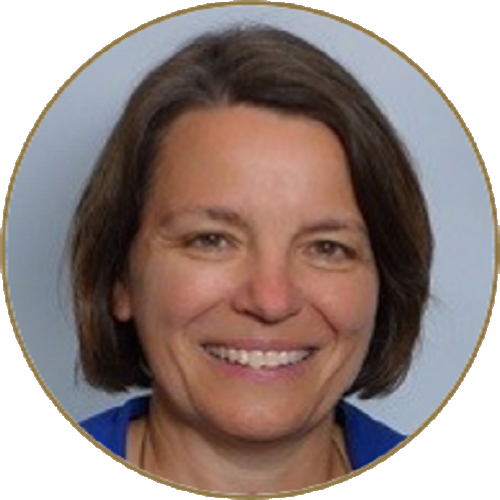
Lydia Chwastiak, MD, MPH
Adjunct Professor, Global Health; Professor, Psychiatry and Behavioral Sciences
Lydia Chwastiak is a psychiatrist and internal medicine physician, her research for the past 21 years has focused on improving the care and outcomes of people with chronic medical conditions and serious mental disorders. She has been a principal investigator (PI) or co-investigator on eight NIH-funded clinical trials of integrated care in both medical and community mental health settings, including MPI on the multi-center INDEPENDENT Study (R01 MH100390) which demonstrated the effectiveness of collaborative care for the treatment of depression among patients with poorly controlled type 2 diabetes in 4 diabetes centers in India.
Dr. Chwastiak is the PI on a large global HRSA-funded grant with ITECH to support capacity building for sustainable HIV services in Jamaica, Trinidad and Tobago, India, Mozambique, and Ukraine (U91HA06801). The goal of Capacity Building Program is to improve health outcomes for people living with HIV (PLHIV) along the HIV care continuum by building sustainable health systems. In addition to her work with I-TECH, Dr. Chwastiak is Associate Director of the UW Behavioral Research Center in HIV (BIRCH), an NIMH-funded developmental AIDS Research Center and directs the Center’s Integrated Care Research Core. She also is the PI and co-director of the SAMHSA-funded Northwest Mental Health Technology Transfer Center (Northwest-MHTTC), which provides training and technical assistance to support the behavioral health workforce of HHS Region 10 (AK, ID, OR and WA) to disseminate and implement evidence-based practices for mental disorders.

David Citrin, MPH, PhD
Affiliate Assistant Professor, Global Health and Anthropology
Dr. Citrin is a medical anthropologist and global health practitioner whose work has focused on mixed methods implementation science in the field of reproductive, maternal and child health, and chronic disease management, including work in Nepal on mental health integration with primary care delivery and developing a community-based mHealth motivational interviewing tool (COMMIT) for HIV positive youth. Dr. Citrin has taught a range of courses at UW, was the founding co-Director of the South Asia Center’s Nepal Studies Initiative in the Henry M. Jackson School of International Studies, and served as the Managing Director of the DGH’s SCOPE (Strengthening Care Opportunities through Partnership in Ethiopia) program. His work has been published in various journals such as Healthcare: The Journal of Delivery Science and Innovation, Medicine Anthropology Theory, and Global Health Action. Dr. Citrin currently works as the Care Operations Analytics, Principal at Waymark, a public benefit company that provides free, community-based care for people enrolled in Medicaid programs.

Shannon Dorsey, PhD
Associate Professor in the Department of Psychology, Adjunct Associate Professor in the Department of Global Health and Psychiatry and Behavioral Sciences
Dr. Dorsey’s research is on evidence-based treatment (EBT) for children and adolescents, with a particular focus on dissemination and implementation of EBT domestically and globally. Her work has often focused on trauma-focused cognitive behavioral therapy (TF-CBT), with hybrid research designs that include both effectiveness and implementation science questions. Research has focused on training and supervision strategies to deliver TF-CBT and other EBT, with a particular focus on task-sharing in low and middle income countries (LMIC). She is a codeveloper of the Common Elements Treatment Approach, a transdiagnostic intervention developed for delivery by lay counselors in LMIC. Current research includes NIMH-funded implementation study examining questions related to scale up of mental health treatments in LMIC in health and education in Kenya (via community health volunteer and teacher delivery) and implementation practices and policies that predict implementation success.

Kathrine Foster, PhD
Assistant Professor, Department of Psychology and Department of Global Health
Dr. Foster’s work applies a person-centered approach to first understand the uniqueness of individuals in context (i.e., a person-specific, idiographic profile comprised of patterns across multiple variables including families and communities) to then draw inferences about what is common to many across individuals, time, and contexts (i.e., a prevalent, nomothetic “cause” over the course of development, daily behaviors, or across individuals sharing the same identity or community). With this work, she has three primary goals: (1) to understand both unique and common origins, trajectories, and outcomes of psychopathology and health risk behavior like alcohol and drug use over the lifespan, (2) to improve translation of clinical science evidence to case- and community-specific applications (i.e., assessment and intervention across diverse individuals) with maximal personalization and precision, and (3) to advance scalable implementation methods that reduce barriers to effective mental health support (e.g., stigma, affordability, accessibility, need for expert adaptation) at the individual level across diverse communities.
 William E. Hartmann, PhD
Associate Professor, UW Bothell
William Hartmann is a clinically-trained cultural and community psychologist whose research aims to advance the stated interests of American Indian peoples through projects that support Indigenous health and wellness and critique systems of oppression. This work sits at the intersections of psychology, mental health, and American Indian and Indigenous Studies. Through partnerships with American Indian community organizations, Dr. Hartmann uses various qualitative methods (interviews, focus groups, and ethnography) to 1) document local experiences of distress and desires for healing to clarify Indigenous peoples’ self-determined health and wellness goals, 2) explore how mental health settings respond to the expressed needs and desires of Indigenous individuals and communities to inform health service improvements, and 3) uncover harmful practices in psychology and mental health that undermine Indigenous wellness and perpetuate injustice.
 Helen Jack, MD
Assistant Professor, Division of General Internal Medicine
Dr. Jack’s research focuses on using implementation science to strengthen integration of mental health and substance use treatment into primary care in low-resource settings. She is currently supported by an NIMH early career development award (K23) to study the implementation of depression treatment in primary care in Zimbabwe, where she has been doing mental health research and research capacity building since 2013. As a primary care physician, Dr. Jack practices in a rural state prison in Washington and is expanding her research both in that setting and on incarceration systems in sub-Saharan Africa. Dr. Jack graduated from Harvard Medical School, received a second BA in Philosophy, Politics, and Economics from Oxford University as a Rhodes Scholar, and completed Internal Medicine residency at University of Washington in 2021.

Anna Larsen, PhD
Acting Assistant Professor, Department of Psychiatry and Behavioral Sciences
Dr. Larsen is an epidemiologist focused on highlighting the impact of mental health difficulties throughout the life course and improving access to mental health resources in low- and middle-income country (LMIC) settings. She employs digital mental health interventions to support marginalized populations in overcoming barriers to care seeking, such as stigma and shortages in trained mental health providers. Anna’s current projects involve developing and evaluating digital mental health interventions for people experiencing serious mental illness in Ghana, as well as perinatal women, fathers, and their families in Kenya.
Y ang Jae Lee, MD
Assistant Professor, Department of Psychiatry & Behavioral Sciences; Adjunct Assistant Professor, Department of Global Health
Dr. Lee is a psychiatrist and global mental health researcher focused on reducing mental illness stigma and strengthening community-based mental health care systems in low-resource settings. Since 2015, he has worked in the Busoga region of Uganda, where he co-founded Empower Through Health, a 501(c)(3) organization that integrates healthcare delivery, research, and education and provides mental healthcare for a district of more than 400,000 individuals. His research examines stigma reduction, pathways to care following mental health crises, and the integration of traditional and biomedical mental health systems. In addition to his research, Dr. Lee directs the Global Health Experiential Fellowship, a predoctoral training program that has mentored over 200 Ugandan and American students in community-based research.

Priscilla Lui, PhD
Assistant Professor, Psychology
Dr. Lui is a clinical scientist who conducts multicultural research related to mental health among people of color and health disparities. Lui is interested in how people from diverse sociocultural make sense of the world and their lived experiences associated with culture, ethnicity, race and racism affect their psychopathology symptoms and addictive behaviors. Lui’s Acculturation, Diversity, and Psychopathology Team (ADAPT) seeks to inform culture-centered interventions that are most effective in alleviating distress and improving psychological functioning among people from diverse ethnocultural backgrounds. Her work also focuses on scale development and evaluation of quality of psychological measures, some measures she’s developed can be found here. Lui also conducts meta-science research to understand how psychological scholars leverage open science and culturally competent research frameworks and tools to produce credible and impactful knowledge, and to ensure an equitable and transparent scientific process. Lui is an associate editor for Cultural Diversity and Ethnic Minority Psychology, and Assessment.

Elizabeth McCauley, PhD, ABPP
Professor, Psychiatry and Behavioral Sciences; Adjunct Professor, Pediatrics and Psychology; Interim Director, Child and Adolescent Psychiatry; Founding member of the SMART Center
Dr. McCauley’s research has focused on the development, prevention and intervention of depression and behavioral health problems in young people She has developed and/or tested a number of prevention and intervention strategies in clinical, primary care settings and schools. She is part of a UW team/Malawian team focusing on the behavioral health needs of school children in Malawi. In 2018, she provided training at the Can Tho Children’s Hospital In Viet Nam and has a project under review: “Supporting Adolescents with HIV and Mental Health Problems in Kenya”, in collaboration with colleagues from, Centre for Global Mental Health and Primary Care Research, King’s College London.
 Kelli O’Laughlin, MD, MPH, FACEP
Associate Professor, Global Health; Associate Professor, Medicine – Emergency Medicine; Affiliated Faculty, Harvard Humanitarian Initiative
Dr. O’Laughlin is an Associate Professor of Emergency Medicine and Global Health. She is a global health research scientist focused on assessing the health needs of refugee populations and on designing and evaluating refugee-specific interventions to improve care. She completed the UCLA/Oliveview Emergency Medicine Residency Program, a Master of Health with a focus on International Health at the Harvard Chan School of Public Health, and a Research Fellowship with the Medical Practice Evaluation Center at Massachusetts General Hospital (Mentors: Drs. Rochelle Walensky, Ingrid Bassett). She was faculty in the Department of Emergency Medicine at Brigham and Women’s Hospital and Harvard Medical School prior to joining the University of Washington in 2019. At UW, she is faculty in the International Clinical Research Center as well as affiliated faculty with UW Global Mental Health.
 Deepa Rao, PhD, MA
Professor, Department of Global Health (DGH) and Psychiatry and Behavioral Sciences.
Dr. Rao is a Licensed Clinical Psychologist who has led several large, multi-site NIH and CDC projects to develop, implement, and scale mental health services and stigma reduction interventions worldwide. She serves as Director of the MPH program within the Department of Global Health at UW, Director of the Behavioral Sciences Core of the UW/Fred Hutch CFAR, and as well, the Director of the Developmental Core of the BIRCH Center for integrated mental health care and HIV at UW. She also currently serves as Vice Dean for Faculty in the School of Public Health at UW.
Keshet Ronen, PhD
Assistant Professor, Global Health
Keshet Ronen, PhD MPH, is an Assistant Professor in the Department of Global Health. Keshet is interested in development and evaluation of interventions to promote behavioral health equity in underserved and marginalized populations globally. Her research employs methods from epidemiology, implementation science, and human-centered design. Much of her ongoing work focuses on perinatal populations in the US and in Kenya. Keshet is passionate about social justice, mentoring, and supporting communities’ leadership in developing strategies to improve their own health.
 Gary Stobbe, MD

Clinical Associate Professor, Neurology and Psychiatry and Behavioral Sciences
Dr. Stobbe is a neurologist sub-specializing in the field of cognitive and behavioral neurology. Dr. Stobbe helped establish the Seattle Children’s Autism Center, and currently serves as Director of Adolescent and Adult Services. Dr. Stobbe also helped establish the UW Medicine Adult Autism Clinic and serves as the Medical Director. He is also the Director of the Adults and Elders Program at the University Center for Excellence in Developmental Disabilities at UW. Dr. Stobbe has extensive experience in clinical research, with his most recent research work focused on clinician training through telehealth to improve access to care and reduce health care disparities both regionally and globally.
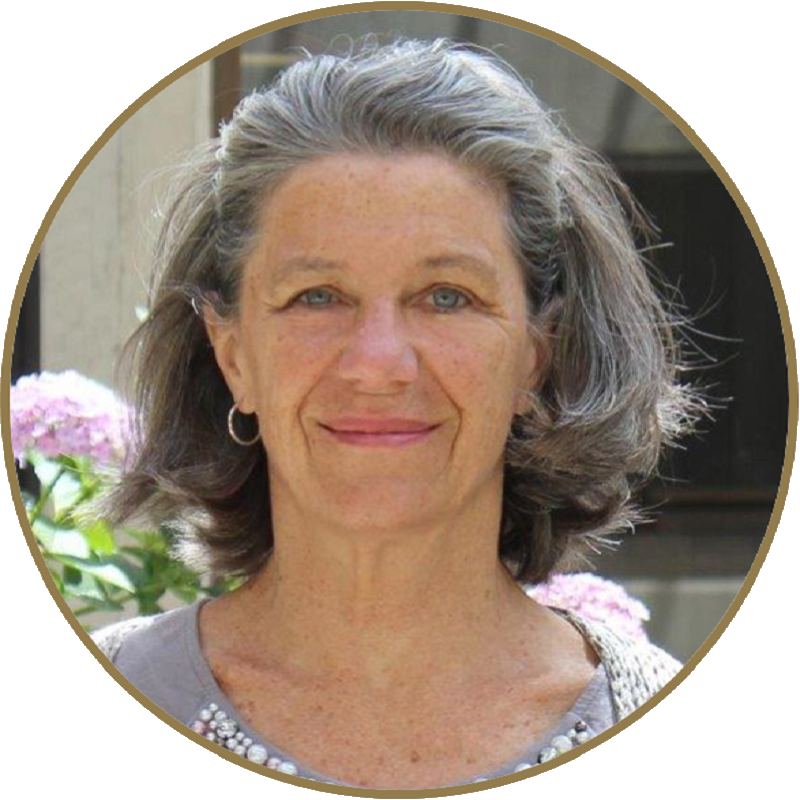
Ann Vander Stoep, PhD
Professor Emeritus, Psychiatry and Behavioral Sciences
Dr. Vander Stoep, a child psychiatric epidemiologist, was co-director and principal investigator in the Developmental Pathways Research Program. The centerpiece of DPRP is a longitudinal epidemiological study of depression and co-occurring disruptive behavior problems in 520 students in Seattle Public Middle Schools who have been followed for over 20 years. She contributes as an instructor in the Psychiatric Epidemiology course in the School of Public Health. Dr. Vander Stoep collaborated with clinician/faculty members to develop, implement and evaluate innovative school and community-based child mental health programs. Her global mental health projects included teaching research methods to support research capacity building at the University of Windhoek and University of Nairobi. She and UW colleagues collaborated with colleagues from Northern Malawi and Seattle’s Ethiopian Community to develop and implement a positive parenting program.
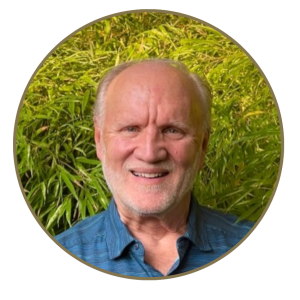 Richard C. Veith, MD
Professor Emeritus and former Chair, Psychiatry and Behavioral Sciences; Professor Emeritus, Global Health, UW School of Medicine
Dr. Veith is the former UW Chair of Psychiatry & Behavioral Sciences. Historically, he conducted extensive neuroendocrine and treatment research on depression among patients with heart disease or stroke. Later in his career he conducted a 4-year project exploring the effectiveness of psychiatric and pain medicine/opioid use consultations delivered via telemedicine in rural community health clinics in Washington State. Subsequently, he participated in a 3-state telehealth project comparing televideo-delivered psychiatric care to collaborative care for bipolar and PTSD patients in community health clinics. His international global mental health work has been focused in Vietnam and Cambodia where he is promoting the implementation of innovative models of care that integrate medical and mental health care in the primary care setting. He has been providing training, technical assistance, and other capacity building efforts with psychiatrists, primary care practitioners, psychologists, social workers, and other health professionals at clinical settings, universities, and government ministries in both countries. He continues to recruit talented UW faculty and staff to support these efforts at Can Tho University of Medicine and Pharmacology in Vietnam and is working with Drs. Jim LoGerfo, Lesley Steinman, and Tracy Harachi developing and applying culturally sensitive screening tools for depression among individuals with NCDs in Cambodia.

Brad Wagenaar, MPH, PhD
Associate Professor, Global Health; Adjunct Associate Professor, Epidemiology
Dr. Wagenaar is an Associate Professor in the Department of Global Health at the University of Washington and Adjunct Associate Professor in the Department of Epidemiology. His work focuses on using implementation science methods to answer pressing questions about scaling-up high leverage innovations for progress in global mental health. He is passionate about the use of quasi-experimental designs and routine health information systems data to optimize the scale-up of complex mental health systems approaches globally.
He is currently PI or Co-I on a number of mental health and or implementation science projects in the US, Mozambique, India, and Guatemala. As faculty in the Department of Global Health, he teaches the Advanced Global Health Evaluation methods course (GH537) offered each spring focused on quasi-experimental designs and analyses.

Larry Wissow, MD, MPH
Raisbeck Professor, Psychiatry & Behavioral Sciences, Division of Child and Adolescent Psychiatry; Interim Faculty Advisor, Psychiatry Residency Global Health Track
I am a child and adolescent psychiatrist also trained in pediatrics. The longstanding theme of my research has been the detection of psychosocial problems in children and families, with a particular interest in what happens at the interface between primary care and mental health care. My initial clinical work as a pediatrician involved families in which child abuse was suspected, and thus my early research on detection of psychosocial problems involved how clinicians might best learn that a given family was experiencing some form of violence.
When I returned to training and became a child psychiatrist, my focus shifted to the more general issue of how, in the course of clinician-child-parent interactions, psychosocial issues were asked about, disclosed, and discussed. I have explored this question from a number of angles, including work in different cultures in the US (African-American, Latin American, American Indian), in different countries (mostly Brazil, Ethiopia, Pakistan, Iran), in differences attributable to provider gender, across a range of sensitive issues (including suicide and end-of-life decision-making), and across clinical settings (pediatric and adult primary care, emergency care, and chronic disease management). Most recently I have been working on adapting models of collaborative/integrated care with an eye to ease of implementation, sustainability, and effectiveness.